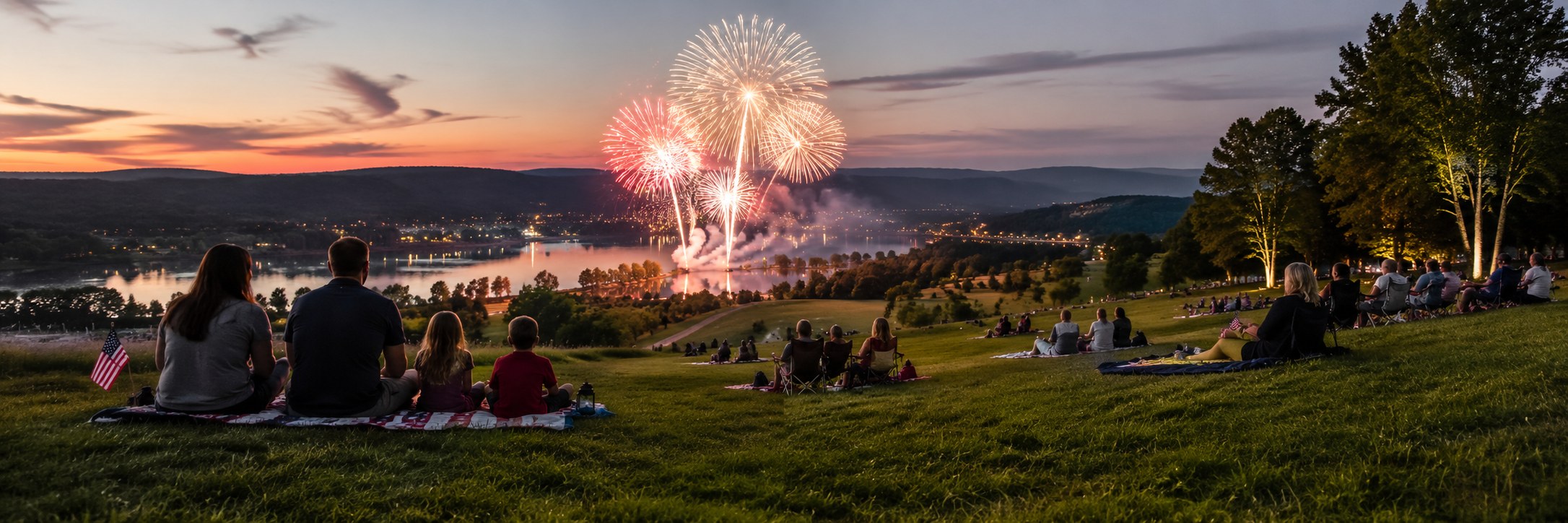
For families supporting someone with autism, sensory sensitivities, PTSD, or safety needs, the Fourth of July can be one of the hardest days of the year. The fireworks, the crowds, the heat, and the break in routine all arrive at once. This free guide helps you plan the day so it is calmer, safer, and survivable, without giving up the celebration.
More than a read. A toolkit you can use.
Everything in the guide is built to be used, not just read. Inside you will find more than 20 printable pages:
Printable checklists and plans
- 4 safety checklists
- A go-bag checklist
- An at-home plan
- An event-outing plan
- A recovery plan
Printable pages for your person
Two pages they help complete, so they feel included in the planning too.
Printable coloring pages
13 full-size coloring pages for calm moments during the day.
Read it online, or download the printable PDF.
Read the full version online Download the free guide (PDF)Free. No email or account required.
What the guide covers
The guide walks through one simple approach you can use for any trigger: predict it, reduce it, plan an escape, and plan the recovery. It covers explosive noise and hearing protection, flashing and bright light, crowds and feeling trapped, heat and dehydration, elopement and wandering, PTSD and startle response, pets and service animals, and more.
It is written for the whole range of families who live this, from sensory and communication needs to mobility and safety needs, and it is built around prevention rather than reacting once the day is already hard.
Common questions about a sensory-friendly Fourth of July
How can I help an autistic person during fireworks?
Plan ahead instead of reacting in the moment. Bring ear protection like noise-canceling headphones or earplugs, pick a spot with an easy exit, and watch from farther away or indoors if that is easier. Knowing the loud part is coming, and having a calm place to go, helps more than anything you can do once it starts.
What helps with fireworks anxiety and noise sensitivity?
Distance, ear protection, and predictability. Hearing protection takes the edge off the volume, and a clear plan for where you will be and how you will leave reduces the fear of the unknown. For some people, a quieter community show or a recording is easier than live neighborhood fireworks.
How do I keep someone from wandering off at a crowded Fourth of July event?
Crowds and noise raise the risk of wandering, also called elopement. Agree on a meeting spot, keep an ID or communication card on your person, dress them in something easy to spot, and have one adult watching at all times in busy moments. Planning the exit before you need it matters most.
What should go in a sensory go-bag for the Fourth of July?
The essentials are hearing protection, a hat or sunglasses if light is an issue, water and broad-spectrum SPF 30 or higher sunscreen, a comfort item, communication cards, and a change of clothes. Pack it the night before so you are not scrambling on the way out the door.
Is the guide free?
Yes. The Calm Fourth of July Guide is a free download. No payment and no account required.
A calmer day is a planned day
You cannot remove every trigger from the Fourth of July, but you can plan around most of them. Predict what is coming, reduce what you can, know your exit, and plan the recovery. That is the whole guide in one sentence, and the download walks you through it step by step.

This guide is for general informational purposes only and is not medical, safety, or professional advice. Every person and situation is different. For guidance specific to your family, talk with your child's doctor, therapist, or care team.